

Hamlin Township Transfer Site
Information on burn permits, recycling, and the leaf corral usage for Hamlin Township, located in Ludington, Michigan .
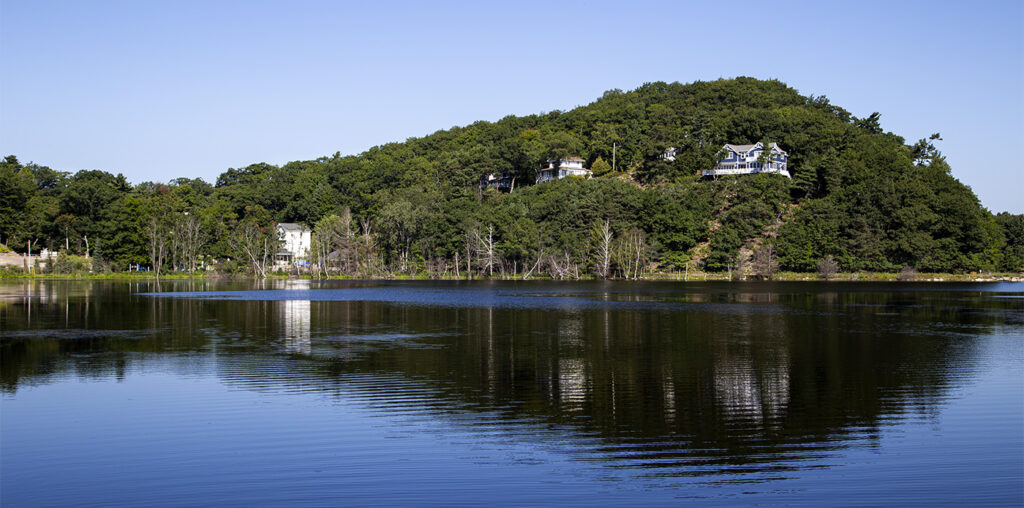
Photo by Moko Media
Epworth is a summer resort with a 127-year history. When it was established 1894, it was written that it was “for the purchase and improvement of grounds to be occupied for summer homes, for camp meetings, for meetings of assemblies or associations and societies organized for intellectual or scientific culture and for the promotion of the cause of religion and morality.” Today, Epworth continues to offer families a seasonal respite on the shores of Lake Michigan.
The photo above is the view to your left as you are heading north of Ludington on Lakeshore Drive, also known as M-116. This route is heavily traveled by those heading from Ludington to the Ludington State Park. Just past the entrance to Epworth Heights, travelers cross the Lincoln River bridge, and are treated to this iconic view.
The Lincoln River bridge marks a noteable landmark in Ludington’s history, providing a glimpse of the railroad crossing which was home to the Dummy Train.
From 1909 to 1919, the Ludington Northern Railroad provided train service between Epworth and Hamlin Lake’s Middle Bayou, eventually extending the line all the way to the North Bayou of Hamlin Lake. The service had two locomotives and nine passenger cars. The coal-burning steam engines were housed in repurposed railway coaches called dummies, and the open passenger cars trailed behind. Fares at the time were priced at a quarter for a round trip between Epworth and Hamlin Lake.
You can read more about the Dummy Train on the Epworth Heights website here.
Epworth Assembly Administrative Office
1161 N. Lakeshore Dr.
Ludington, Michigan 49431
Phone: (231) 843-8011 Fax: (231) 845-1084
Guard Shack: (231) 845-5678

Information on burn permits, recycling, and the leaf corral usage for Hamlin Township, located in Ludington, Michigan .
Ludington has many organizations that are dedicated to the health, well-being, and population control of domesticated pets.